
JAMBU DWIPA
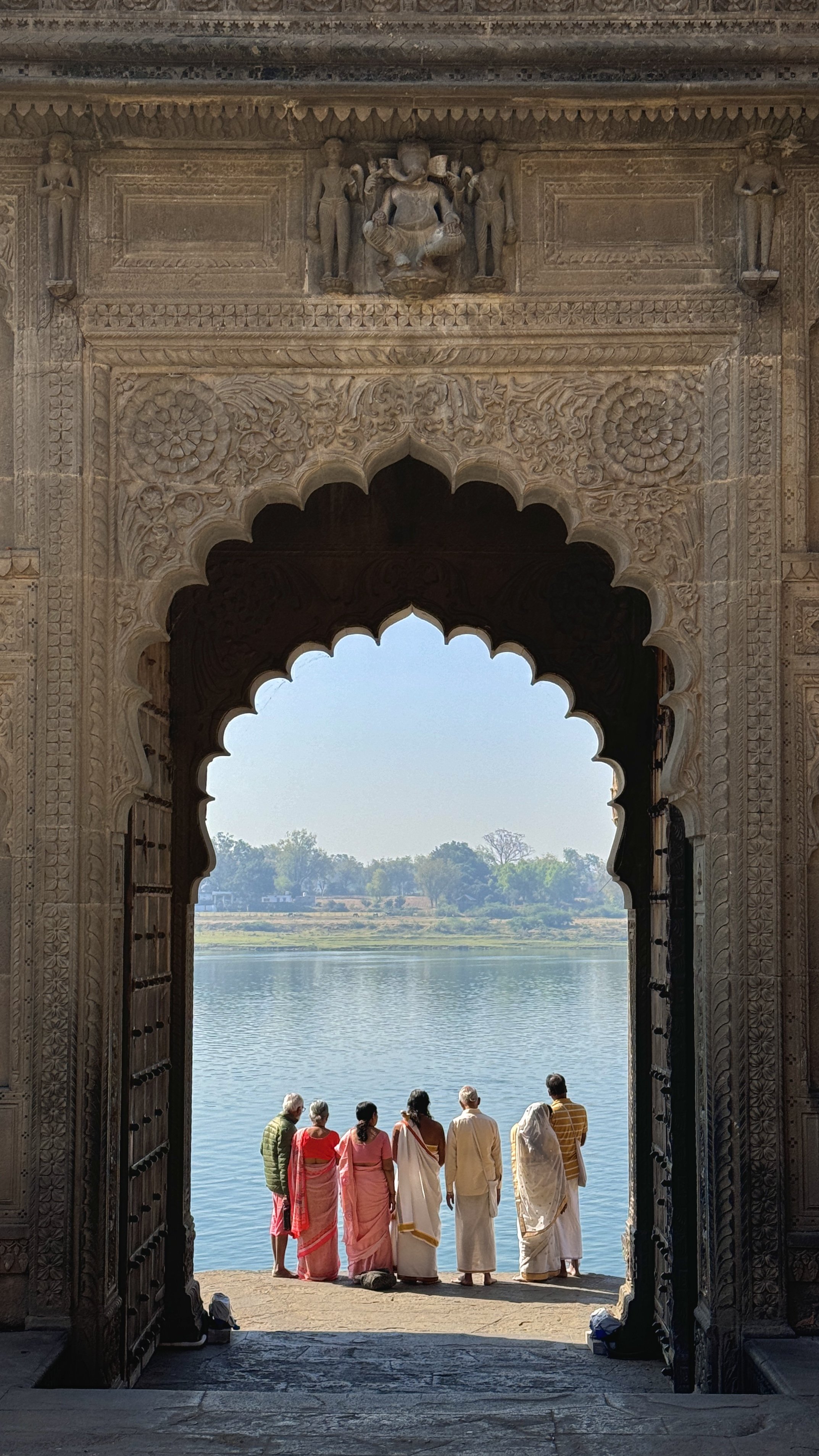
in parts of southeast asia – once the beating, indianised heart of expansive hindu-buddhist maritime empires – india is still known by its ancient pāli name, jambu dwipa. this literally translates to the land of jambu: a bell-shaped green and pink summer fruit, known in latin as syzigium aqueum, and commonly as the rose apple.
it was said that this mythic land was so rich that the jambus that sprouted from the trees were the size of elephants, and when they fell to the ground and fermented, the land gushed with roaring rivers of jambu wine.
when i had first arrived in bombay in the summer, i made wine from jambus. i’d seen a street vendor outside crawford market selling these fruits out of his makeshift stand. they looked tiny to me, but this was one of my favourite fruits growing up – so reliably refreshing and juicy that in malay we call them jambu air, water apple – and so i bought a big bulging bag of them. instead i found them rather dry and insipid, having been accustomed to the sugary palm-sized, maroon-coloured varieties from back home; turns out it’s a whole different species we get in southeast asia, syzigium samarangense. in my disappointment i pressed them in my juicer, and fermented the juice into wine. as i found out some weeks later, it made for a thin, muddy, and altogether still uninspiring drink.
i suspect the ancients spoke of india’s jumbo jambu bounty not strictly in botanical terms, but in rather more oblique reference: to its power of igniting a certain awareness of the great beauty that lies just around the corner, a knowledge that – once triggered – becomes a tremendous, all-consuming aesthetic pursuit. the specific way alpine sunrises frost the very tips of sacred himalayan peaks first; the peculiar manner you can tell a rajasthani lake palace’s painted araish plaster floors are handmade by how they ever so slightly distort reflections; the universally studently commotion a sikkimese novice monk, not a day over six and running late for class, makes as he and his maroon robes flutter down a monastery corridor: not for nothing is this land rich. holding up a mirror to your own unquenchable search for splendour, it goads you, trip by trip, to chase the next high.
